
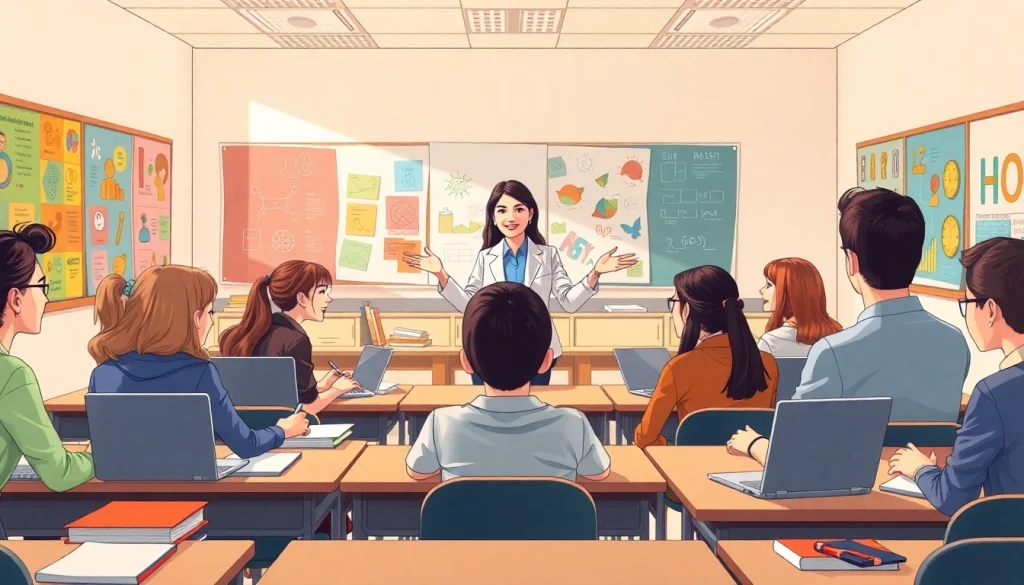
Understanding the Importance of Education
Education is a vital component of personal and societal progression. It serves as a foundation for individual growth and plays a crucial role in fostering informed and capable citizens. The significance of Education is evident in various aspects of our lives, from economic development to social equality. An examination of its definition, scope, historical perspectives, and global trends reveals the depth of its impact.
Definition and Scope of Education
Education can be broadly defined as the process through which knowledge, skills, values, and beliefs are transmitted from one generation to another. It encompasses a variety of learning experiences, both formal and informal. The scope of education is vast; it includes early childhood education, K-12 schooling, higher education, vocational training, and lifelong learning initiatives. Each of these sectors contributes uniquely to individual development and societal growth.
Historical Perspective on Education
The history of education is rich and varied. It traces back to ancient civilizations where the focus was on passing down knowledge related to agriculture, philosophy, and governance. Over centuries, educational systems have evolved, reflecting changes in societal needs and cultural values. From the ancient Greek academies, which emphasized critical thinking, to the formal institutions that arose during the Middle Ages, the quest for knowledge has been a driving force in human development.
Global Trends in Education
As societies continue to evolve, so does the field of education. Current global trends include the integration of technology in classrooms, increased focus on holistic development, and growing recognition of the importance of early childhood education. Additionally, educational equity has become a focal point, with initiatives aimed at minimizing disparities based on socioeconomic status, geography, and gender. Understanding these trends is critical to shaping effective educational policies and practices.
Key Components of Effective Education
Effective education is built on several foundational components that ensure quality learning outcomes. These elements include curriculum development, the role of educators, and assessment techniques, each contributing to a comprehensive educational experience.
Curriculum Development and Implementation
A well-developed curriculum serves as a roadmap for educational success. It outlines the knowledge and skills students are expected to acquire at different stages. Establishing a robust curriculum involves collaboration among educators, industry experts, and community stakeholders. The implementation of this curriculum must be flexible, adapting to the needs of diverse learners while ensuring alignment with educational standards and goals.
Role of Educators in Student Development
Educators play a pivotal role in shaping student outcomes. Their influence extends beyond teaching academic content; they also motivate and inspire learners to reach their full potential. Effective educators employ various teaching strategies to accommodate different learning styles, fostering an inclusive classroom environment that encourages participation and critical thinking. Continuous professional development is essential for educators to stay updated on the latest pedagogical practices and educational technologies.
Assessment Techniques and Learning Outcomes
Assessment is a crucial aspect of the educational process, allowing educators to measure student understanding and progress. Various techniques, including formative assessments, summative assessments, and performance-based evaluations, provide insights into learning outcomes. Implementing diverse assessment strategies not only helps inform instruction but also empowers students to take ownership of their learning journey. A keen focus on data-driven assessments can enhance educational outcomes significantly.
Challenges Facing Modern Education
While education is fundamental to societal growth, it is not without its challenges. Understanding these obstacles is essential for developing effective solutions that promote equitable access and successful learning environments.
Technological Disruptions in Education
Technology has transformed education in profound ways, enabling innovative teaching methods and access to vast resources. However, it also presents challenges, such as digital equity issues. Not all students have equal access to technology, which can exacerbate existing inequalities. Furthermore, the rapid pace of technological change requires educators to continually adapt and develop new skills to integrate technology effectively into their teaching practices.
Socioeconomic Barriers to Education Access
Socioeconomic status plays a significant role in educational access and success. Students from low-income families often face barriers such as inadequate resources, lack of support, and limited opportunities for enrichment. Addressing these disparities calls for comprehensive strategies that encompass policy reform, community engagement, and targeted interventions designed to support disadvantaged learners. Education stakeholders must work collaboratively to create environments conducive to learning for all students, regardless of their background.
Mental Health and Well-Being in Education
The growing awareness of mental health in educational settings reflects a commitment to fostering student well-being. Academic pressures, social dynamics, and personal challenges can affect students’ mental health and, subsequently, their learning outcomes. Schools must implement supportive measures, including counseling services, mental health education, and initiatives promoting resilience and coping strategies. A focus on mental health is essential for creating nurturing educational environments that prioritize holistic development.
Innovative Approaches to Education
As the landscape of education continues to evolve, innovative approaches are emerging that address contemporary challenges and enhance learning experiences. Incorporating these methods can lead to improved engagement and academic performance.
Project-Based Learning and Its Benefits
Project-based learning (PBL) challenges students to engage deeply with real-world problems while developing critical thinking and collaboration skills. By working on projects, students apply theoretical knowledge to practical situations, enhancing retention and understanding. PBL also fosters a sense of ownership and agency, as students are actively involved in their learning processes. This hands-on approach prepares them for the complexities of the modern world and nurtures lifelong learning skills.
Integrating Technology in the Classroom
The integration of technology into the classroom is no longer optional; it has become a necessity. Educators are leveraging tools such as virtual reality, coding platforms, and interactive learning apps to create dynamic learning experiences. Technology can facilitate personalized learning, allowing students to progress at their own pace while engaging in customized content. Moreover, online collaboration tools and educational platforms have expanded opportunities for students to connect and learn from diverse perspectives around the globe.
Fostering Critical Thinking and Creativity
Critical thinking and creativity are essential skills for success in the 21st century. Educational practices that encourage inquiry, exploration, and open-ended problem-solving foster these skills. Implementing techniques such as Socratic questioning, brainstorming sessions, and collaborative projects can stimulate students’ analytical abilities and inspire innovation. Creating a culture of curiosity and creativity enhances student engagement and prepares learners to face future challenges with confidence.
The Future of Education: Trends and Predictions
The future of education is shaped by emerging trends and technological advancements that promise to redefine learning experiences. Understanding these developments is crucial for stakeholders aiming to create relevant and impactful educational systems.
Emerging Educational Technologies
New technologies continue to emerge, offering transformative possibilities for education. Artificial intelligence, machine learning, and adaptive learning systems are enhancing personalized learning experiences. These technologies can analyze student data to tailor instructional materials and feedback, ensuring that each learner receives the support they need. Additionally, gamification is gaining traction, making learning more engaging and enjoyable through game-like elements that motivate students to excel.
Personalized Learning Experiences
Personalized learning, which emphasizes individual student needs, interests, and learning preferences, is rapidly gaining prominence. This approach allows for customized pathways and pacing, fostering deeper engagement and understanding. Schools are increasingly adopting blended learning models that combine traditional teaching with online components, giving students greater flexibility in their learning journeys. The focus on personalized education promotes autonomy and helps develop self-directed learners.
Global Collaborations in Education
Educational collaboration across borders is on the rise, driven by a recognition of the interconnectedness of today’s world. International partnerships between schools, universities, and organizations facilitate shared learning opportunities, exchange programs, and collaborative research projects. These collaborations enrich educational experiences, exposing students to diverse cultures and perspectives while preparing them to thrive in a globalized society.