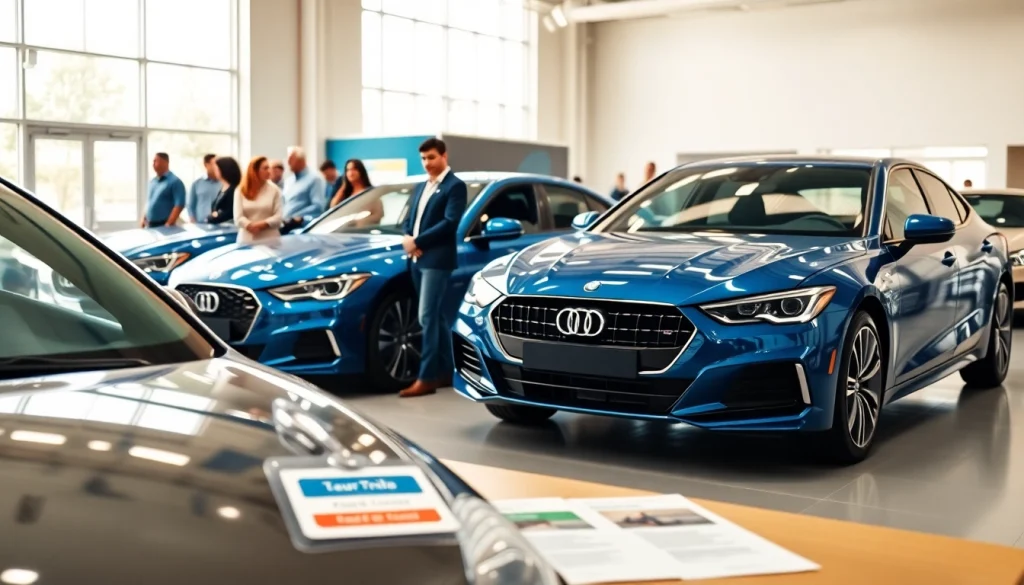

Understanding Your Needs When You Buy a car
Purchasing a car is a significant milestone for many individuals and families. This process often requires careful consideration, planning, and a deep understanding of your needs. Whether it’s your first car or an upgrade from your current vehicle, the journey starts with self-assessment. Understanding your requirements can help you make wise decisions that align with your lifestyle and budget. It’s imperative to reflect on what matters most to you as you set out to Buy a car.
Identifying Vehicle Types for Your Lifestyle
Various vehicle types cater to different lifestyle needs. When considering what to buy, think about your daily activities, family size, and personal preferences. Here are some common vehicle types to explore:
- Compact Cars: Ideal for individuals or small families, they offer excellent fuel efficiency and are easy to maneuver in urban settings.
- SUVs: Great for families or those needing more space; they balance comfort, storage capacity, and off-road readiness.
- Trucks: Perfect for those who require towing capacity or need to transport heavy items or equipment.
- Minivans: Tailored for maximum passenger space and comfort, ideal for larger families.
Identifying which category aligns with your day-to-day life will help narrow down options during your search.
Setting a Realistic Budget for Your Purchase
Knowing your budget is a crucial step in the car buying journey. The cost of a vehicle is not just its sticker price; include taxes, registration, insurance, and potential maintenance costs. Here are steps to set your budget:
- Determine your total monthly budget for car expenses.
- Factor in long-term financial implications including interest rates if you finance the purchase.
- Consider the average depreciation rate of vehicles, and how it affects future resale value.
Establishing a comprehensive financial plan will empower you to make an informed choice without overspending.
Considering New vs. Used Cars
Deciding between a new and a used car is a significant choice that can impact your wallet and peace of mind. Here are a few advantages and disadvantages of each option:
- New Cars: New vehicles come with warranties, the latest technology, and the peace of mind that they haven’t been in an accident. However, they depreciate faster.
- Used Cars: Typically cost less and have slower depreciation. They can offer excellent value, but it’s essential to check their history and condition.
Evaluate what fits your needs better based on your financial circumstances and preferences.
Researching the Best Options to Buy a car
The research phase is vital. With countless options available and various features to consider, conducting thorough research equips you with the knowledge needed to make an informed decision. Here are steps to guide your research process:
Utilizing Online Tools for Car Comparisons
Online resources abound that can help you compare features, prices, and customer ratings of different vehicles. Take advantage of:
- Comparison Sites: Websites dedicated to showcasing various models and their specifications can help summarize the options.
- Price Aggregators: Tools that display pricing variations across platforms can ensure you get the most competitive deal.
Use these platforms to develop a shortlist of vehicles that meet your needs and budget.
Reading Expert and Customer Reviews
Feedback from trusted sources offers invaluable insights into the reliability and performance of a vehicle. Pay attention to:
- Expert Reviews: Automotive experts conduct in-depth analysis and tests that can provide a comprehensive view of a vehicle.
- Customer Reviews: Real-world experiences from other car owners can highlight issues that might not be evident in expert evaluations.
Combining both types of reviews will give you a well-rounded perspective when evaluating potential purchases.
Apps and Websites to Aid Your Search
Various apps and websites can streamline your car buying process, aiding in everything from selecting a model to securing financing. Consider using:
- Buying Apps: Specialized apps allow you to search for cars in your preferred area, track prices, and even contact sellers directly.
- Financing Calculators: Many websites feature calculators to help you estimate monthly payments and interest based on different financing options.
These digital tools simplify the entire process and can save you time and frustration.
Financing Options Available When You Buy a car
Understanding financing options is essential for a smooth buying process. Whether you choose to buy outright, take a loan, or lease, know your choices. Here’s how to navigate financing effectively:
Understanding Loans and Credit Scores
Your credit score significantly impacts loan agreements. Understanding your score can dictate your financing options:
- Higher credit scores generally lead to lower interest rates and better loan terms.
- Consider getting a pre-approval from lenders to assess potential interest rates before you start shopping.
Review your credit report for any discrepancies that may negatively affect your score before heading into negotiations.
Leasing vs. Buying: What’s Right for You?
Leasing offers lower monthly payments, but ownership remains with the leasing company. On the other hand, buying allows for long-term ownership and value retention. Evaluate:
- Your driving habits and miles driven annually.
- Your financial goals – whether you want long-term value or lower monthly payments.
Determining which path aligns with your lifestyle and future plans is crucial.
Common Financing Terminology Explained
Becoming familiar with common financial terminology can boost your confidence during negotiations. Below are terms you should understand:
- APR (Annual Percentage Rate): The annual cost of borrowing, expressed as a percentage.
- Down Payment: An upfront payment that reduces the loan amount.
- Term: The duration over which the loan or lease is repaid.
Familiarizing yourself with these terms can aid in clearer communications with lenders and dealers.
Negotiation Strategies to Buy a car Confidently
Negotiation can feel daunting, but it’s a fundamental aspect of the car buying process. Employing effective strategies can empower you and secure favorable terms:
Preparing for Price Discussions
Before entering negotiations, arm yourself with information:
- Research the vehicle’s market value using various resources to establish a fair price reference.
- Understand the dealership’s inventory and be aware of any special financing offers they may have.
Preparing thoroughly helps establish a foundation for confident discussions.
Leveraging Competitor Offers
Knowing competitor pricing can enhance negotiation outcomes. Share offers from similar dealers to:
- Encourage adjustment in pricing, ensuring you don’t overpay.
- Highlight your commitment to purchasing, making the dealer eager to offer you the best possible deal.
Having this knowledge instills confidence and presents you as an informed buyer.
Closing the Purchase: Tips for Success
When finalizing your purchase, pay attention to the details:
- Review all documents carefully before signing.
- Don’t hesitate to ask for clarifications on any fees or terms you don’t understand.
Taking your time during this step ensures a secure and positive car-buying experience.
Maintaining Your Vehicle After You Buy a car
The journey doesn’t end after acquiring your vehicle; proper maintenance ensures longevity and performance. Here are key aspects of car ownership:
Regular Maintenance Basics
Routine maintenance helps avoid costly repairs and keeps your vehicle running smoothly. Essential maintenance tasks include:
- Regular oil changes to ensure optimal engine performance.
- Checking tire pressure and alignment to enhance safety and fuel efficiency.
- Inspecting brakes, lights, and battery to prevent unexpected breakdowns.
Consider keeping a maintenance schedule to remain organized and proactive.
Understanding Insurance Options
Choosing the right insurance coverage can protect you from unforeseen circumstances and is often a legal requirement. Consider the following:
- Evaluate liability coverage vs. comprehensive coverage, and understand what types of protection standard policies offer.
- Shop for quotes from multiple providers to ensure you receive the best coverage at a competitive price.
Investing time in selecting suitable insurance can save you from potentially significant financial burdens.
Strategies for Increasing Resale Value
Maintaining your vehicle appropriately can enhance its resale value when you’re ready to upgrade. Here are some strategies:
- Preserve the interior and exterior by regularly cleaning and detailing.
- Keep records of maintenance services to demonstrate diligence to potential buyers.
- Consider investing in minor upgrades that enhance functionality and aesthetics.
Planning for the future, even during the initial purchase, can maximize the profit from your vehicle investment.