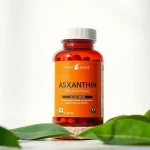
Introduction to Astaxanthin
Astaxanthin is a powerful antioxidant that has garnered attention in the health and wellness community for its numerous health benefits. As a vibrant red pigment found in certain algae, astaxanthin is known for its ability to combat oxidative stress and support overall health. Many people are curious about this remarkable nutrient and consider the option to buy astaxanthin to enhance their dietary intake. This article explores its origins, benefits, sources, and practical ways to include it in your lifestyle.
What is Astaxanthin?
Astaxanthin is a carotenoid pigment that belongs to the same family as beta-carotene, lutein, and zeaxanthin. It is predominantly produced by the microalga Hematococcus pluvialis and is responsible for the pinkish-red color of salmon, shrimp, and flamingos. Unlike some other carotenoids, astaxanthin is characterized by its unique molecular structure that allows it to neutralize free radicals effectively, making it one of the most potent antioxidants available.
Health Benefits of Astaxanthin
Astaxanthin provides several significant health benefits that have been confirmed by both animal studies and human trials. Here are some of the most compelling:
- Antioxidant support: Astaxanthin is recognized for its exceptional antioxidant capacity, significantly higher than other antioxidants like vitamin E and C.
- Anti-inflammatory properties: Research has shown that astaxanthin can reduce inflammation markers, aiding in recovery from strenuous physical activities.
- Skin health: Astaxanthin has proven effective in protecting the skin against UV radiation, improving skin elasticity and hydration.
- Eye health: It helps reduce eye fatigue and may protect against age-related macular degeneration thanks to its action in the retina.
- Heart health: Some studies suggest astaxanthin may support cardiovascular health by improving blood lipid profiles and reducing the risk of heart disease.
Why Buy Astaxanthin?
Investing in astaxanthin supplements can be a wise choice for anyone looking to enhance their health. The benefits span across various aspects of physical well-being, from improving athletic performance to protecting skin and eye health. Furthermore, as lifestyle factors like stress and pollution increase oxidative stress in our bodies, having a powerful antioxidant like astaxanthin can help combat these effects and support overall wellness. Whether you are an athlete, concerned about aging, or simply seeking to optimize your health, buy astaxanthin to include it as part of your daily routine is increasingly popular.
Understanding Astaxanthin Sources
Natural vs Synthetic Astaxanthin
When considering astaxanthin, one of the most significant distinctions is between natural and synthetic sources. Natural astaxanthin, derived from microalgae, is generally regarded as more beneficial due to its complex molecular structure and bioavailability. In contrast, synthetic astaxanthin, often produced from petrochemical processes, may not offer the same level of health benefits. Consumers should be aware of these differences and prioritize natural sources when buy astaxanthin.
Best Sources of Astaxanthin
Some of the best natural sources of astaxanthin include:
- Microalgae: Hematococcus pluvialis is celebrated for its high astaxanthin content.
- Salmon: Wild-caught salmon contains significant astaxanthin levels, contributing to its vibrant color.
- Shrimp and crab: These seafood options also provide astaxanthin, making them a delicious way to enhance dietary intake.
- Trout: Another fish source, trout contributes to astronomical astaxanthin levels in its natural form.
How to Choose Quality Astaxanthin
When selecting astaxanthin supplements, it is crucial to choose high-quality products. Look for the following characteristics:
- Source: Prefer products derived from natural microalgae.
- Formulation: Check for additional supportive ingredients that enhance absorption, such as healthy fats.
- Third-party testing: Opt for products that have undergone independent testing for purity and potency.
- Reputation: Research brands with positive customer feedback and transparency regarding their sourcing and manufacturing processes.
Buying Astaxanthin: What to Consider
How to Buy Astaxanthin Safely
Purchasing astaxanthin requires an informed approach to ensure safety and efficacy. Always buy from reputable retailers, either online or at health stores. Through education and research, you can confidently select a product that fits your health needs and offers reliable benefits. Familiarize yourself with the product’s ingredient list, and be cautious of any potential allergens.
Factors Affecting Astaxanthin Quality
Several factors can influence the quality of astaxanthin:
- Harvesting methods: Sustainable harvesting practices preserve the natural potency of astaxanthin.
- Storage conditions: Astaxanthin can degrade when exposed to light and heat; thus, proper packaging and storage are essential.
- Manufacturing processes: The extraction method determines the bioavailability of astaxanthin in the final product.
Reading Astaxanthin Labels Correctly
Understanding how to read supplement labels is critical for making informed decisions. Pay attention to the following:
- Serving size: Check how much astaxanthin is listed per serving to determine dosage.
- Active ingredients: Look for the astaxanthin concentration and check if it includes any synergistic ingredients.
- Expiration date: Ensure freshness by noting the expiration or best-before date.
Integrating Astaxanthin into Your Diet
Recommended Dosages of Astaxanthin
The optimal dosage of astaxanthin can vary based on individual health needs and product formulation. Generally, 4–12 mg per day is considered safe and effective for most individuals. However, consulting with a healthcare provider before starting any supplement regimen is recommended to tailor the dosage to your specific health goals.
Recipes with Astaxanthin-rich Ingredients
Including astaxanthin-rich foods in your diet can be both delicious and nutritious. Try these simple recipes:
- Salmon Salad: Combine flaked wild-caught salmon with leafy greens, avocado, and a lemon vinaigrette for a scrumptious meal.
- Shrimp Stir-fry: Sauté shrimp with colorful vegetables and serve over brown rice for a satisfying dinner.
- Algae Smoothie: Blend spirulina powder with fruits for a health-boosting smoothie rich in antioxidants.
Potential Side Effects and Concerns
Astaxanthin is generally well tolerated, but some individuals may experience mild side effects, such as digestive disturbances or skin discoloration at higher doses. Special populations, such as pregnant or nursing women, should consult a healthcare provider before supplementation. It’s essential to be aware of your body’s responses and adjust intake accordingly.
FAQs about Astaxanthin
What are the top benefits of taking astaxanthin?
Astaxanthin supports antioxidant function, reduces inflammation, enhances skin health, bolsters eye health, and contributes to heart health.
How does astaxanthin compare to other antioxidants?
Astaxanthin has superior antioxidant potency compared to many common antioxidants like vitamin C and E, providing enhanced protective effects.
Is astaxanthin safe for everyone to take?
Generally safe for most, astaxanthin should be taken cautiously by pregnant or nursing women, with a healthcare provider’s guidance for individual circumstances.
Can I find astaxanthin in foods?
Yes, astaxanthin is found in various sources, primarily in salmon, shrimp, crab, and certain types of microalgae.
How long does it take to see results from astaxanthin?
Users may notice improvements in a few weeks, especially in energy levels and skin appearance; however, benefits vary based on individual health status.