
- Understanding the Role of a New York City General Contractor
- How to Choose a New York City General Contractor
- Common Challenges Faced When Hiring a New York City General Contractor
- Best Practices for Working with a New York City General Contractor
- Evaluating the Performance of Your New York City General Contractor
Understanding the Role of a New York City General Contractor
Definition and Responsibilities
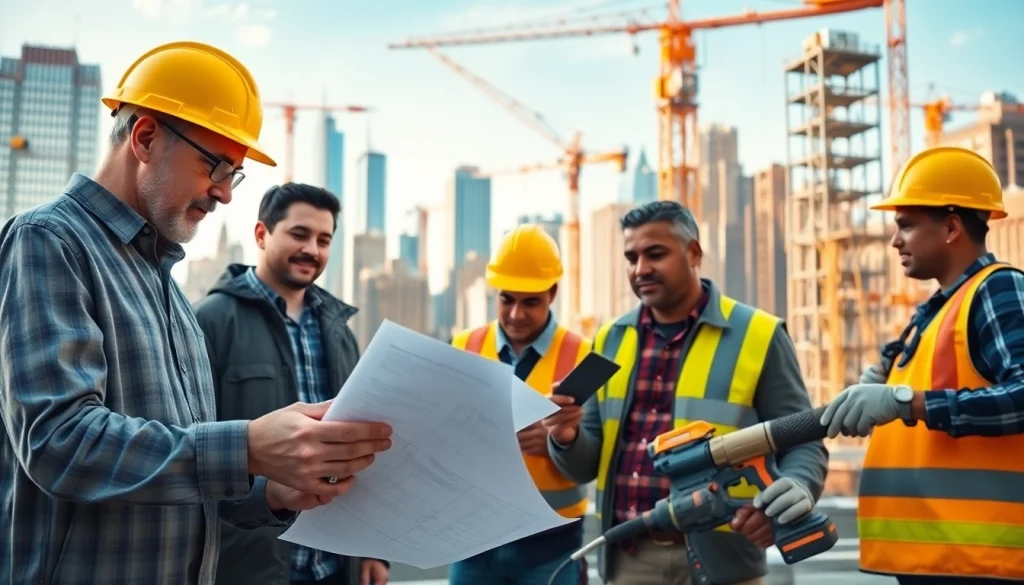
A New York City General Contractor is the linchpin of any construction project. They are responsible for managing the construction process from start to finish, which includes everything from planning and budgeting to overseeing the project and ensuring compliance with safety regulations. A general contractor coordinates the various elements involved in construction, including labor, materials, and equipment, while also serving as a communication bridge between the stakeholders involved in the project, such as clients, subcontractors, and suppliers.
The responsibilities of a general contractor vary significantly depending on the project but often include the following key tasks:
- Project Planning: This comprises initial assessments and project designs, including timelines and budget estimations.
- Permitting and Compliance: Obtaining necessary permits and ensuring that all work meets local regulations and building codes.
- Subcontractor Management: Hiring and managing subcontractors for specialized work such as plumbing, electrical, and masonry.
- Sourcing Materials: Procuring high-quality materials while adhering to the project budget.
- Site Supervision: Overseeing ongoing construction, ensuring quality work, maintaining safety standards, and addressing issues as they arise.
Key Skills and Qualifications
To effectively fulfill their role, a New York City General Contractor must possess a diverse skill set and qualifications. The most critical skills include:
- Leadership: Strong leadership skills facilitate effective team management and the capability to motivate subcontractors and workers.
- Communication: Effective communication with clients and stakeholders ensures everyone is on the same page regarding project expectations and updates.
- Problem-Solving: The ability to quickly address and resolve unforeseen challenges that arise during construction.
- Financial Acumen: Understanding and managing project budgets, cost estimates, and financial forecasts.
- Knowledge of Building Codes: Familiarity with local building codes and regulations helps ensure compliance and avoid legal complications.
- Technical Skills: Having a strong grasp of construction techniques and materials is invaluable.
Importance in the Construction Process
The role of a general contractor is crucial to the construction process, as they play several vital roles that ensure project success:
- Central Coordination: General contractors synchronize various activities and stakeholders, ensuring that projects run smoothly and efficiently.
- Risk Management: They help identify potential risks early and develop strategies to mitigate them, reducing the likelihood of costly delays or issues.
- Quality Assurance: By overseeing the construction and coordinating multiple subcontractors, general contractors maintain high standards and ensure that work is performed to specification.
- Cost Savings: An experienced contractor can streamline the building process, potentially lowering costs through efficient management of resources and time.
How to Choose a New York City General Contractor
Assessing Experience and Specializations
When searching for a New York City General Contractor, assessing their experience and areas of specialization is essential. Not all contractors have extensive experience in every type of project, so identifying one suited to the specific requirements of your construction project is critical. Consider the following aspects:
- Project Portfolio: Review their previous work to gauge the variety and quality of projects they have undertaken. This portfolio can provide insight into their capabilities and proficiency in executing similar projects.
- Years of Experience: While years alone don’t guarantee expertise, a contractor with considerable experience often has a proven track record of overcoming challenges common in the industry.
- Specialization: Some contractors focus on specific types of construction, such as residential, commercial, or renovation projects. Choose a contractor that aligns closely with your project type.
Evaluating Reputation and Reviews
The reputation of a general contractor is an important factor when making your choice. Consider the following methods to evaluate a contractor’s reputation:
- Online Reviews: Check online platforms, such as contractor review websites or local directories, to gather insights from previous clients about their experiences.
- References: Request references from past clients and follow up to inquire about their satisfaction with the contractor’s work, communication, and adherence to timelines.
- Industry Recognition: Examine any awards or certifications that the contractor has received within the construction industry, which can further validate their credibility.
Understanding Pricing Structures and Contracts
Pricing is an essential aspect of selecting a general contractor. Understanding the different pricing structures and contracts will help you make an informed decision. Some common pricing arrangements include:
- Fixed Price Contracts: The contractor agrees to complete the project for a set price. This type of contract is beneficial for clients who want cost certainty.
- Cost Plus Contracts: The client pays the contractor for all construction costs plus an additional percentage as profit. This structure can be riskier but offers flexibility in project changes.
- Time and Materials Contracts: This approach bills based on the actual time spent and materials used. It provides flexibility but requires thorough oversight to monitor costs.
Common Challenges Faced When Hiring a New York City General Contractor
Dealing with Delays and Budget Overruns
Delays and budget overruns are common challenges in construction projects. These can stem from various factors, including weather conditions, supply chain disruptions, or unforeseen site conditions. To address these issues:
- Set Realistic Timelines: Establish a timeline that accounts for potential obstacles, allowing some buffer time.
- Clear Budgeting: Ensure a clear understanding of your project budget and communicate with your contractor regarding any changes that could impact it.
- Regular Monitoring: Continuously monitor project progress and expenditures to identify issues early.
Navigating Permits and Regulations
New York City has strict regulations and permitting processes that can be challenging to navigate. General contractors often play a key role in managing this process:
- Thorough Documentation: Ensure that all necessary documentation is submitted correctly and on time to avoid delays in obtaining permits.
- Compliance Awareness: General contractors should stay informed about local regulations and zoning laws to ensure that the project adheres to all legal requirements.
Communication Issues and Solutions
Effective communication between the contractor and clients is vital for project success. Many issues can arise due to a breakdown in communication:
- Establish Clear Communication Channels: Set up preferred communication methods (email, phone, meetings) and regular check-in schedules.
- Encourage Open Dialogue: Foster a collaborative environment where concerns can be raised without hesitation, leading to prompt resolutions.
Best Practices for Working with a New York City General Contractor
Setting Clear Expectations and Goals
Establishing clear goals from the beginning sets a strong foundation for the project. Consider the following steps:
- Define Project Objectives: Clearly outline your project goals and vision, including aesthetics, functionality, and timelines.
- Documentation: Provide a detailed project brief to the contractor with all requirements, preferences, and constraints.
Regular Updates and Check-ins
Staying informed about the progress of the project is essential. Schedule regular updates and check-ins to discuss milestones:
- Weekly Meetings: Establish weekly meetings to review progress, upcoming tasks, and any challenges faced.
- Progress Reports: Request periodic written reports to document progress and ensure accountability.
Strategies for Conflict Resolution
Conflicts may arise during construction projects, and having effective resolution strategies in place is crucial:
- Address Issues Promptly: Tackle conflicts as soon as they arise to prevent escalation.
- Compromise and Flexibility: Foster a collaborative approach to find mutually beneficial solutions.
- Mediation: In cases of severe conflict, consider involving a third-party mediator to facilitate discussions.
Evaluating the Performance of Your New York City General Contractor
Key Metrics for Success
To assess the performance of your New York City General Contractor, monitoring key performance metrics is essential. These may encompass:
- Time Management: Was the project completed within the agreed timeframe?
- Budget Adherence: Did the project stay within the planned budget, or were there significant overruns?
- Quality of Work: Are you satisfied with the quality of the finished product?
Gathering Client Feedback
After project completion, gathering feedback can provide valuable insights into contractor performance:
- Post-Project Surveys: Consider distributing surveys to collect structured feedback from all parties involved.
- Direct Meetings: Hold a wrap-up meeting with the contractor to discuss impressions and suggestions for future improvements.
Making Informed Decisions for Future Projects
The evaluation process not only informs you about the current contractor’s performance but also aids in decision-making for future projects. Consider the following approaches:
- Establish Long-Term Relationships: If a contractor performed well, consider engaging them for future projects.
- Continuous Improvement: Use lessons learned from one project to improve communications and processes in subsequent projects.