Understanding Nonstick Fry Pans
What are Nonstick Fry Pans?
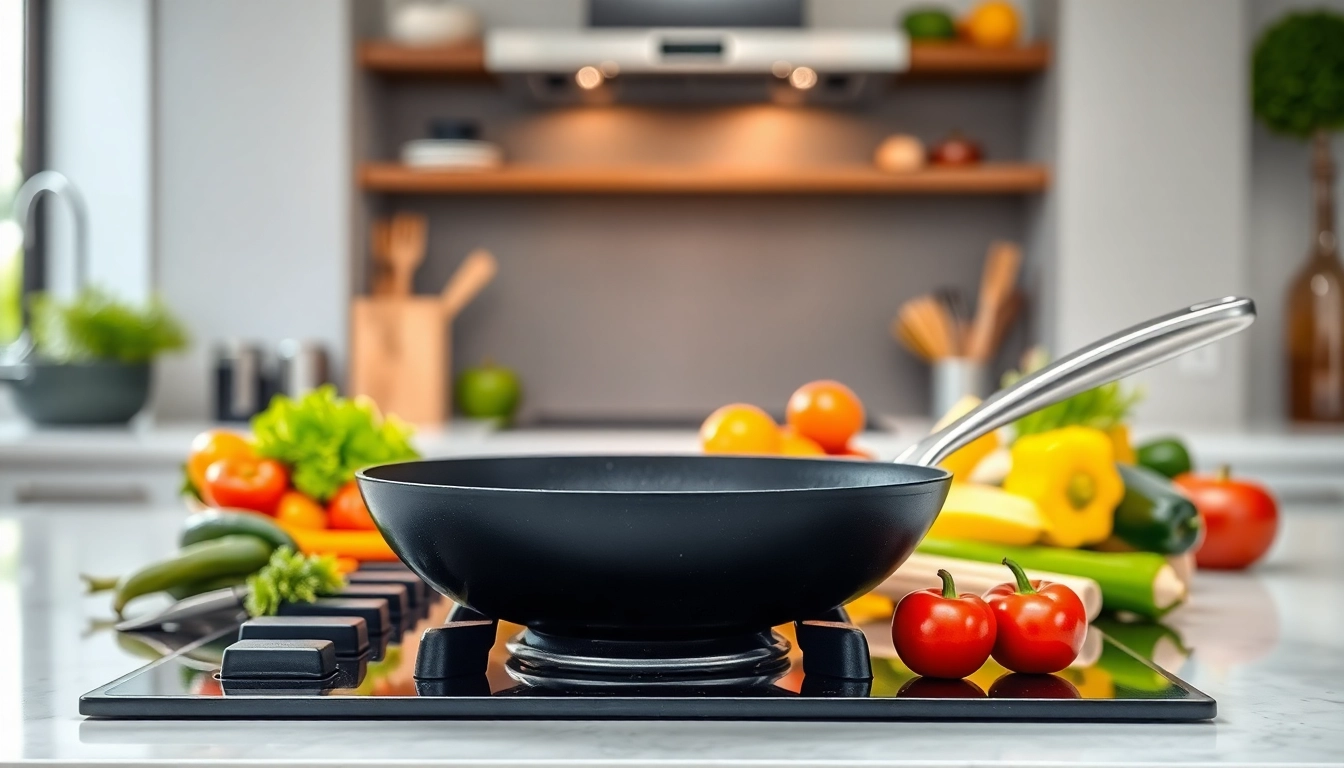
Nonstick fry pans are specialized cookware designed with a surface that prevents food from adhering to it while cooking. This feature usually comes from a coating, which could be PTFE (commonly known as Teflon) or a ceramic alternative. The design allows for easy cooking and cleaning, making nonstick fry pans a staple in many kitchens. As the demand for these versatile pots rises, the market in New Zealand—particularly for the nonstick fry pan NZ—has become increasingly competitive.
Benefits of Using Nonstick Fry Pan NZ
The benefits of using a nonstick fry pan are plentiful. Firstly, they allow for healthier cooking by reducing the need for excessive oils and fats, thus promoting low-fat meals. Secondly, cleanup is incredibly easy—food residue can often be wiped away with a damp cloth or washed with warm soapy water. Finally, they heat evenly and reduce the risk of burning your dish, giving you a greater chance to achieve culinary perfection.
Common Materials Used in Nonstick Fry Pans
Nonstick fry pans can be manufactured from several materials, primarily featuring a nonstick coating that provides their unique cooking capabilities. The most common materials include:
- PTFE (Polytetrafluoroethylene): Often known as Teflon, this synthetic polymer is renowned for its excellent nonstick properties.
- Ceramic: This alternative to PTFE is often chosen for its natural, eco-friendly properties. It’s free from chemicals such as PFAS and is considered safer for cooking.
- Hard-Anodized Aluminum: Known for its durability and resistance to scratching, this material can also feature nonstick coatings for added convenience.
- Cast Iron: When properly seasoned, cast iron can provide a naturally nonstick surface and excellent heat retention, although it may lack the convenience of modern nonstick coatings.
Key Features to Look for in a Nonstick Fry Pan NZ
Durability and Longevity
When investing in a nonstick fry pan, it's crucial to consider its longevity. High-quality options are often constructed from thick aluminum or stainless steel that resists warping and scratches. Additionally, look for those with reinforced nonstick coatings that last longer against everyday use. Durability directly correlates to how well the pan will perform over time, affecting your cooking experience and food quality.
Safety Standards and Non-Toxicity
Safety is paramount when it comes to cookware. Opt for nonstick fry pans made from materials that comply with health and safety regulations. Ensure that any coatings used are free from harmful chemicals like PFOA and PFOS that have been linked to health concerns. Nonstick pans made from ceramic or other eco-friendly materials are often deemed safer alternatives.
Size and Shape Options Available
Nonstick fry pans come in various sizes and shapes to cater to different cooking needs. From small 20cm pans for sautéing single servings to larger 30cm options tailored for family meals, choosing the right size can impact cooking efficiency and food presentation. Round pans are standard, but square or square-shouldered models are also available to maximize cooking space and ease of flipping dishes.
How to Properly Care for Your Nonstick Fry Pan NZ
Cleaning Tips for Longevity
Caring for your nonstick fry pan correctly can extend its life significantly. Always allow it to cool before washing to avoid warping. Hand wash with a soft sponge and mild detergent rather than using abrasive cleaners which can scratch the surface. Occasionally, you can deep clean with a baking soda paste if necessary.
Safe Cooking Practices
When cooking with a nonstick pan, using low to medium heat is recommended. High heat can damage the nonstick coating, leading to deterioration and potential health concerns. Additionally, use wooden, silicone, or plastic utensils to prevent scratching the surface, and avoid cooking sprays that can leave residue buildup.
Avoiding Common Mistakes
Common mistakes that can hinder the performance of your nonstick fry pan include overheating and improper cleaning methods. Never leave an empty pan on a hot burner, as this can cause the nonstick layer to break down. Also, avoid using metal utensils, which can scratch and ruin the coating. Paying attention to these factors will ensure that your nonstick fry pan serves you well for years.
Top Recommendations for Nonstick Fry Pan NZ
Best Options for Budget Cookware
Budget-friendly nonstick options can deliver both performance and value. Look for pans with good reviews for even heat distribution. Selecting brands that offer warranties can also provide peace of mind when investing in more affordable cookware.
Premium Choices for Gourmets
For those who are serious about cooking, investing in a high-end nonstick fry pan can make a noticeable difference. Premium options typically feature advanced coatings and materials that offer superior heat conduction and durability. Consider brands that prioritize safety and environmental responsibility, enhancing both your cooking experience and ethical stance.
Environmentally Friendly Options
With rising consumer awareness around sustainability, eco-friendly nonstick fry pans are gaining traction. Pans produced with a ceramic coating are often touted as safer and more environmentally friendly. Look for certifications that highlight sustainability practices to ensure your purchase aligns with your values.
FAQs About Nonstick Fry Pan NZ
What is the best way to maintain a nonstick fry pan?
Maintain your nonstick fry pan by hand washing with mild soap and a soft sponge. Avoid metal utensils and high heat to prolong the coating's lifespan.
Can nonstick fry pans be used on high heat?
It is advisable to use nonstick fry pans on low to medium heat only. High temperatures can damage the nonstick coating and lead to potential health issues.
Are ceramic nonstick pans safe to use?
Ceramic nonstick pans are generally considered safe as they are free from harmful chemicals. However, always check for certifications to ensure compliance with safety standards.
How long can I expect a nonstick fry pan to last?
The lifespan of a nonstick fry pan can vary but typically ranges from 3 to 5 years, depending on usage, care, and quality of materials.
What materials should I avoid in nonstick cookware?
Avoid cookware with PFOA and PFOS in their coatings, as these chemicals can pose health risks. Stick to safer alternatives like ceramic or responsibly-sourced nonstick options.