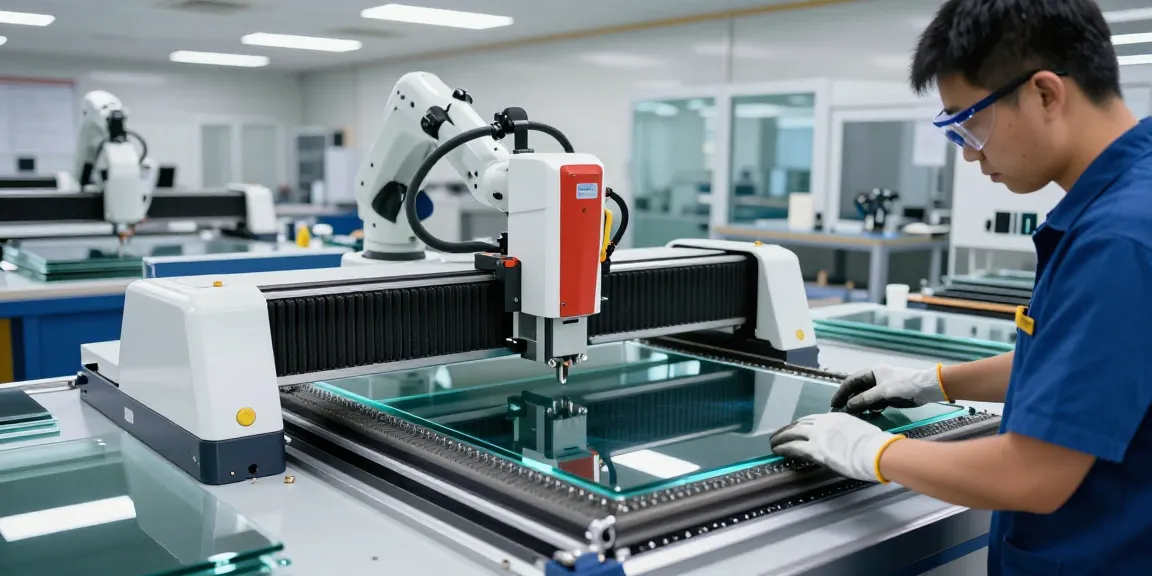
Understanding GRP Grating: Basics and Benefits
What is GRP Grating?
GRP, or Glass Reinforced Plastic, grating is a composite material made from fiberglass and resin that offers exceptional strength, corrosion resistance, and lightweight properties. Comprising resin and glass fibers, GRP grating provides an alternative to traditional materials like steel or aluminum. It is often utilized in various industries due to its non-conductive and non-slip properties, making it a versatile choice for applications requiring safety and durability. As a growing choice in industrial applications, partnering with a reputable GRP Grating Supplier can provide quality products tailored to your project needs.
Advantages of Using GRP Grating
There are numerous benefits to using GRP grating compared to conventional materials. One of the primary advantages is its resistance to corrosion, which makes it suitable for environments exposed to chemicals, saltwater, or other corrosive agents. Additionally, GRP grating is lightweight, making it easier to handle and install, thus reducing labor costs. Its slip-resistant surface enhances safety in work environments. Furthermore, GRP is available in various colors and sizes, allowing customization to meet specific project requirements. Lastly, GRP grating exhibits excellent load-bearing capacities, making it suitable for various heavy-duty applications.
Common Applications for GRP Grating
GRP grating finds applications across multiple industries, including chemical processing, wastewater treatment, marine environments, food and beverage processing, and construction. It serves as flooring, walkways, stair treads, and platforms, providing reliable support while ensuring safety. Its non-slip surface makes it ideal for wet or greasy environments, while its lightweight nature facilitates ease of installation. In marine applications, GRP grating is used for boat decks, piers, and other structures exposed to harsh weather. The versatile nature of GRP grating makes it a foundational material across sectors.
Selecting a GRP Grating Supplier
Key Considerations in Supplier Selection
When selecting a GRP grating supplier, it is essential to assess various factors. Start by evaluating the supplier's reputation in the industry. Look for feedback from previous clients to gauge their reliability and quality of products. It’s critical to ensure that the supplier has experience with your specific application requirements. Consider the range of products they offer; a diverse selection allows for better customization options. Furthermore, investigate their ability to meet delivery timelines, as project delays can incur additional costs.
Evaluating Supplier Quality and Sustainability
Quality and sustainability should be at the forefront of your evaluation process. Ensure that the GRP grating supplier complies with relevant industry standards and regulations. Ask about their manufacturing processes—opt for suppliers who utilize eco-friendly materials and practices. Investigate if their products have third-party certifications, indicating adherence to quality standards. A sustainable approach not only benefits the environment but also enhances the reputation of your projects, potentially attracting eco-conscious clients.
Questions to Ask Your GRP Grating Supplier
Before finalizing your selection, it is beneficial to ask pertinent questions to your prospective supplier. Inquire about their experience in providing GRP grating solutions tailored to your industry. Ask for details about their manufacturing processes, specifically regarding material quality and production efficiency. It’s crucial to know their policies regarding returns and warranties on products. Additionally, request information about their support services, including installation assistance and technical advice to ensure successful implementation.
The Installation Process of GRP Grating
Preparation for Installation
Before beginning the installation of GRP grating, thorough preparation is vital. Start by inspecting the area where the grating will be installed, ensuring it is clean, dry, and free of debris. Gather the necessary tools and equipment, including cutting tools, safety gear, and fixation hardware. Familiarize yourself with the project specifications and installation guidelines provided by the supplier to ensure adherence to best practices during the installation process. Planning ahead reduces the likelihood of errors and ensures an efficient workflow.
Steps for Proper Installation
The installation of GRP grating involves several key steps. Begin by measuring and cutting the grating panels as needed to fit the designated space accurately. Ensure the edges are smooth to avoid any safety hazards. Proceed by placing the panels on support beams or suitable substrates, ensuring they are level. Use appropriate fixation methods such as clips or adhesive to secure the grating in place effectively. Always follow the manufacturer’s guidelines for the specific product being installed, as different types of GRP grating may have unique installation requirements.
Post-Installation Inspection and Maintenance
After installation, it is important to conduct a thorough inspection to verify that the grating panels are securely in place and aligned correctly. Check for any visible defects or issues that may have arisen during installation. Regular maintenance of GRP grating is relatively straightforward; routine inspections should be conducted to identify any signs of wear or damage. Cleaning the surface periodically will help maintain its slip-resistant properties. Addressing any issues promptly will ensure longevity and performance efficiency of the grating.
Comparing GRP Grating Types
Molded vs. Pultruded GRP Grating
Two primary methods for manufacturing GRP grating are molded and pultruded, each offering distinct advantages. Molded grating is created by pouring resin into a mold containing glass fibers, yielding a strong and durable product. This type is often more affordable and available in various colors and styles. Pultruded grating, on the other hand, involves drawing resin-infused fibers through a heated die, resulting in a denser material that can bear heavier loads. Depending on your application’s requirements, selecting the appropriate type is crucial for ensuring optimal performance.
Color and Finish Options
Color and finish options for GRP grating can vary significantly depending on the supplier. Manufacturers typically offer a range of colors, allowing for aesthetic customization that can complement the surrounding environment or brand identity. Additionally, surface finishes can impact slip resistance and appearance. Smooth finishes tend to be easier to clean, while textured surfaces enhance grip, making them more suitable for potentially hazardous environments. Evaluate your project’s specific needs to choose the right color and finish that align with safety and design requirements.
Load-Bearing Capacities: What to Know
Understanding the load-bearing capacities of GRP grating is essential during the selection process. Load capacity can depend on various factors including the type, thickness, and size of the grating. Manufacturers typically provide load charts indicating how much weight the grating can safely support without flexing or failing. Assessing the anticipated load for your specific application helps in selecting the appropriate grating to prevent structural failures. It is also important to consider dynamic loads, such as moving vehicles or foot traffic, to ensure long-term safety and performance.
Frequently Asked Questions about GRP Grating Suppliers
What should I look for in a GRP grating supplier?
Seek a supplier with extensive industry experience, a wide range of products, and a reputation for quality. Check for customer reviews and certifications that demonstrate their reliability.
How is GRP grating maintained over time?
Maintenance involves regular inspections for wear and damage. Clean the grating periodically to maintain slip resistance. Address any issues promptly for longevity.
Are there different types of GRP grating available?
Yes, there are molded and pultruded GRP grating types. Each offers unique benefits suited to various applications and load requirements.
What are the typical costs associated with GRP grating?
Costs vary based on material type, size, and customization. Custom options may increase pricing. Request quotes from multiple suppliers to compare prices.
Can GRP grating be customized for specific projects?
Yes, GRP grating can often be customized in size, color, and finish to suit project specifications. Consult with suppliers for tailored solutions.