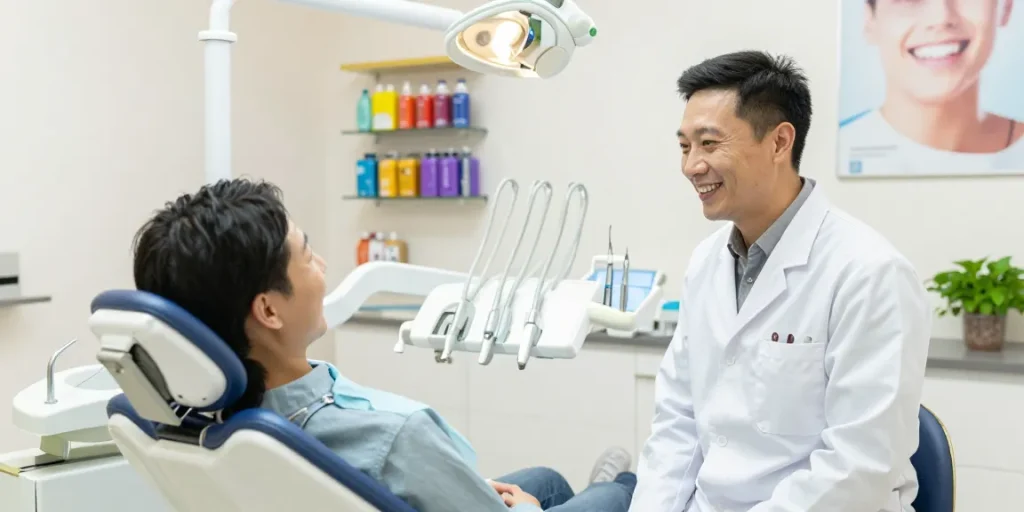

Understanding Your Dental Needs
Your smile is one of your greatest assets, serving as a reflection of your personality and overall health. It’s essential to take care of your dental needs, not just for aesthetic reasons but for your overall well-being. Understanding the nuances of oral health can empower you to make informed decisions when it comes to visiting the dentist. The journey to optimal dental care begins with identifying your personal dental needs, assessing common issues, and recognizing the importance of regular checkups. When exploring options, discover more here about how to prioritize your dental health.
Identifying Common Dental Issues
Many individuals face a variety of dental issues at different stages of life. Some common problems include:
- Cavities: The most prevalent dental problem that can lead to pain and further complications if untreated.
- Gum Disease: An infection that affects the tissues surrounding your teeth, potentially leading to tooth loss.
- Tooth Sensitivity: A common condition that can cause discomfort when consuming hot or cold foods and drinks.
- Bad Breath: Often a sign of dental issues or poor oral hygiene.
Being aware of these issues is the first step toward finding the right dental solutions tailored to your needs.
Assessing Your Oral Health Requirements
Every individual has unique oral health requirements based on factors such as age, lifestyle, and existing dental conditions. A thorough assessment can help you understand:
- Your Risk Factors: Identify genetic predispositions, dietary habits, and oral hygiene practices that might increase your risk of dental problems.
- Current Health Conditions: Certain medical conditions can affect oral health. Informing your dentist about such conditions is crucial.
- Goals for Your Smile: Whether you aim to maintain health, enhance aesthetics, or address specific dental concerns, establishing clear goals is essential.
The Importance of Regular Dental Checkups
Regular dental checkups are foundational for maintaining optimal oral health. These visits provide an opportunity for early detection of issues, professional cleanings, and personalized oral hygiene advice. Neglecting regular visits can lead to preventable complications that may require more extensive treatment in the future. Scheduling an appointment every six months is generally recommended, but your dentist may advise a different frequency based on your specific needs.
How to Find the Right Dentist
Finding a dentist who meets your specific needs is crucial for a positive healthcare experience. The right dentist will not only provide quality care but also foster a trusting relationship that encourages open communication.
Key Factors in Choosing a Dentist
When searching for the right dental professional, consider the following:
- Qualifications and Experience: Check for necessary credentials and any specialties they may have, such as pediatric dentistry or orthodontics.
- Location: Proximity to your home or workplace can impact how easily you can attend appointments. Look for dentists in your area.
- Patient Reviews: Online reviews and referrals from friends or family can provide insight into a dentist’s practice and patient care standards.
- Office Environment: A welcoming and professional office environment can enhance your comfort during visits.
Utilizing Online Resources for Dentist Recommendations
With the rise of digital platforms, finding a dentist is more accessible than ever. Websites and apps allow you to compare local dentists based on patient reviews, services offered, and more. Utilize these resources to make an informed choice before scheduling an appointment. Additionally, platforms like Dentee simplify your search process by listing available dentists in your area.
What to Ask When Booking an Appointment
Booking an appointment can seem daunting, especially if you’re uncertain of what to ask. Here’s a curated list of questions to consider:
- What are the office hours, and do they accept walk-ins?
- What insurance plans do they accept, and what are the payment options?
- Can you provide details about initial consultations?
- What are the sterilization practices in place?
Gathering this information can help ease any anxiety and ensure you are making the right choice.
Making Appointments Easy
Advancements in technology have revolutionized how we book dental appointments. Understanding the benefits of these systems can help streamline your experience.
Benefits of Online Booking Systems
Online booking systems offer numerous advantages, including:
- Convenience: Book your appointment anytime, from anywhere, without the need to call during office hours.
- Real-time Availability: View available time slots instantly and choose what works for you.
- Easy Rescheduling: Modify your appointment if necessary with just a few clicks.
Real-time Availability: What You Should Expect
Most online booking platforms provide real-time updates on available appointments, allowing you to secure a time that fits your schedule instantly. This feature minimizes waiting times and enhances patient satisfaction.
Understanding Appointment Confirmation Procedures
Once you’ve booked your appointment, you will typically receive a confirmation via email or text message. Make sure to keep this confirmation handy and double-check any pre-appointment instructions your dentist may provide.
Building Trust with Your Dentist
Establishing a trusting relationship with your dentist is vital for effective communication and a positive dental experience. Trust leads to better care and more open discussions about your dental health.
How to Develop a Positive Patient-Dentist Relationship
Developing a positive relationship can start with:
- Open Communication: Share any concerns or anxieties you have regarding dental procedures.
- Follow Recommendations: Adhering to your dentist’s advice on care and treatment can demonstrate your commitment to your oral health.
Recognizing Red Flags in Your Dental Experience
Being vigilant about your dental experiences is crucial. Signs such as rude staff, lack of proper hygiene practices, or inadequate answers to your questions can indicate an issue. Trust your instincts if you feel uncomfortable in any way.
Communicating Your Dental History Effectively
When visiting a new dentist, be prepared to discuss your dental history. Providing accurate information can help them offer the best possible care tailored to your specific needs and conditions.
Future Trends in Dental Care
As we enter 2026, the dental industry continues to evolve, offering exciting innovations that enhance patient experience and treatment outcomes.
Emerging Technologies in Dentistry for 2026
Technological advancements are set to reshape the dental landscape significantly. Some notable trends include:
- Teledentistry: Virtual consultations and follow-ups make dental advice and monitoring more accessible.
- AI-Driven Diagnostics: Artificial intelligence is increasingly being used to identify dental issues more accurately and quickly.
- 3D Printing: Utilization of 3D printing for creating custom dental implants and brackets is on the rise.
Patient-Centric Care Models and Innovations
Modern care models focus on personalizing patient experiences. This can include tailored preventive care plans based on individual risk factors, enhancing patient engagement, and improving overall satisfaction.
How to Stay Informed on Dental Health Trends
Staying current in an ever-changing field is essential for both patients and practitioners. Follow reputable dental health blogs, attend webinars, and participate in community health workshops to remain informed about new trends and treatments.
What are the Benefits of Regular Checkups?
Regular checkups can yield benefits including:
- Early detection of dental problems
- Professional cleaning that removes plaque and tartar buildup
- Opportunity for personalized advice on oral hygiene
How can I improve my dental hygiene at home?
Improving your dental hygiene routine can significantly impact your oral health. Here are some tips:
- Brush your teeth at least twice a day with fluoride toothpaste.
- Floss daily to remove food particles and plaque between teeth.
- Limit sugary foods and drinks that can lead to cavities.
- Rinse with an antibacterial mouthwash to reduce plaque.
What should I expect during my first dentist visit?
Your first visit will likely include a thorough examination, X-rays, and a discussion of your dental history. This information helps your dentist develop an effective care plan tailored to you.
Are there specific questions to ask my dentist?
When meeting your dentist for the first time, consider asking:
- What preventive measures do you recommend for my dental health?
- What are your views on treatments I might need?
- Can you explain the costs and payment plans available?
What are common misconceptions about dental care?
Awareness of misconceptions can help you make better dental decisions. Some common myths include:
- “I don’t need to see a dentist if I brush regularly.” Regular visits are essential for preventive care.
- “Sugar is the only cause of cavities.” Bacteria and poor hygiene also contribute significantly.