
Electrical safety is a critical aspect of industrial operations. Manufacturing facilities, processing plants, warehouses, and other industrial environments rely heavily on electrical systems to power machinery, automation equipment, and essential infrastructure. Without proper safety measures, electrical hazards can lead to equipment damage, operational disruptions, injuries, and significant financial losses.
Implementing effective electrical safety practices helps organizations protect employees, maintain regulatory compliance, and ensure reliable system performance. As industrial facilities become more technologically advanced with the toggle switches, the importance of electrical safety continues to grow.
Why Electrical Safety Matters in Industrial Facilities
Industrial electrical systems often operate under demanding conditions involving high voltages, heavy machinery, continuous production schedules, and complex equipment networks. Even minor electrical issues can escalate into serious safety incidents if not addressed properly.
A strong electrical safety program helps minimize risks while supporting operational efficiency and long-term equipment reliability.
Benefits of Following Electrical Safety Best Practices
Improved Workplace Safety
Proper safety procedures help reduce the risk of electrical shocks, burns, arc flashes, and other workplace hazards.
Reduced Equipment Damage
Preventive maintenance and proper electrical protection help minimize equipment failures and costly repairs.
Increased Operational Reliability
Safe electrical systems are more likely to operate consistently, reducing downtime and production interruptions.
Better Regulatory Compliance
Following established safety standards helps organizations meet industry regulations and avoid potential penalties.
Lower Maintenance Costs
Identifying and addressing issues early can reduce repair expenses and extend equipment lifespan.
Enhanced Employee Confidence
A safe working environment promotes employee confidence and supports overall productivity.
Essential Electrical Safety Best Practices
Conduct Regular Inspections
Routine inspections help identify damaged wiring, loose connections, worn components, and other potential hazards before they become serious problems.
Implement Preventive Maintenance
Scheduled maintenance programs help ensure that electrical equipment remains in good operating condition and performs reliably.
Use Proper Personal Protective Equipment
Employees working near electrical systems should use appropriate protective equipment to reduce the risk of injury.
Follow Lockout/Tagout Procedures
Lockout/tagout practices help ensure that equipment is properly de-energized before maintenance or repair work begins.
Train Employees Regularly
Ongoing safety training helps workers understand electrical hazards, safe work procedures, and emergency response protocols.
Maintain Clear Documentation
Accurate electrical diagrams, maintenance records, and safety procedures help support safe operations and efficient troubleshooting.
The Role of Toggle Switches and Fuse Holder Components
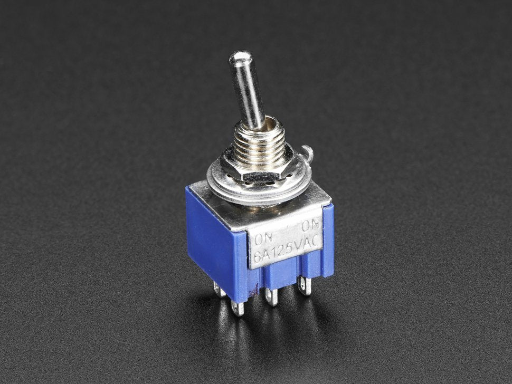
Reliable electrical components contribute significantly to industrial safety. Toggle switches are commonly used to control electrical circuits and equipment functions. High-quality toggle switches provide dependable operation and help ensure safe equipment control.
A fuse holder is another essential safety component. By securely housing protective fuses, it helps safeguard electrical circuits from overloads and short circuits. A properly selected fuse holder contributes to equipment protection and supports overall electrical system safety.
Together, toggle switches and fuse holder products play an important role in maintaining safe and reliable industrial electrical systems.
Common Areas Requiring Electrical Safety Attention
Industrial facilities should pay particular attention to:
-
Control panels
-
Power distribution systems
-
Industrial machinery
-
Automation equipment
-
Backup power systems
-
Electrical maintenance areas
-
Outdoor electrical installations
-
Motor control centers
Proper monitoring and maintenance of these areas help reduce safety risks and improve system reliability.
Conclusion
Electrical safety is essential for protecting personnel, equipment, and operations in industrial environments. By implementing best practices such as regular inspections, preventive maintenance, employee training, and proper safety procedures, organizations can reduce risks and improve overall operational performance.
In addition, reliable components such as toggle switches and fuse holder solutions help support safe electrical operation and equipment protection. As industrial systems continue to evolve, maintaining strong electrical safety standards will remain a key factor in achieving efficient, reliable, and secure operations.