Understanding the Importance of Commercial Roofing Services
In the vast landscape of business infrastructure, the roof often remains the unsung hero. It shields us from nature's elements, impacts energy efficiency, and influences aesthetics. For businesses, investing in commercial roofing services ensures a sturdy and reliable top that protects not just physical assets, but also the company's image and operations. In this article, we will explore the essence of commercial roofing and why it deserves your attention.
What Are Commercial Roofing Services?
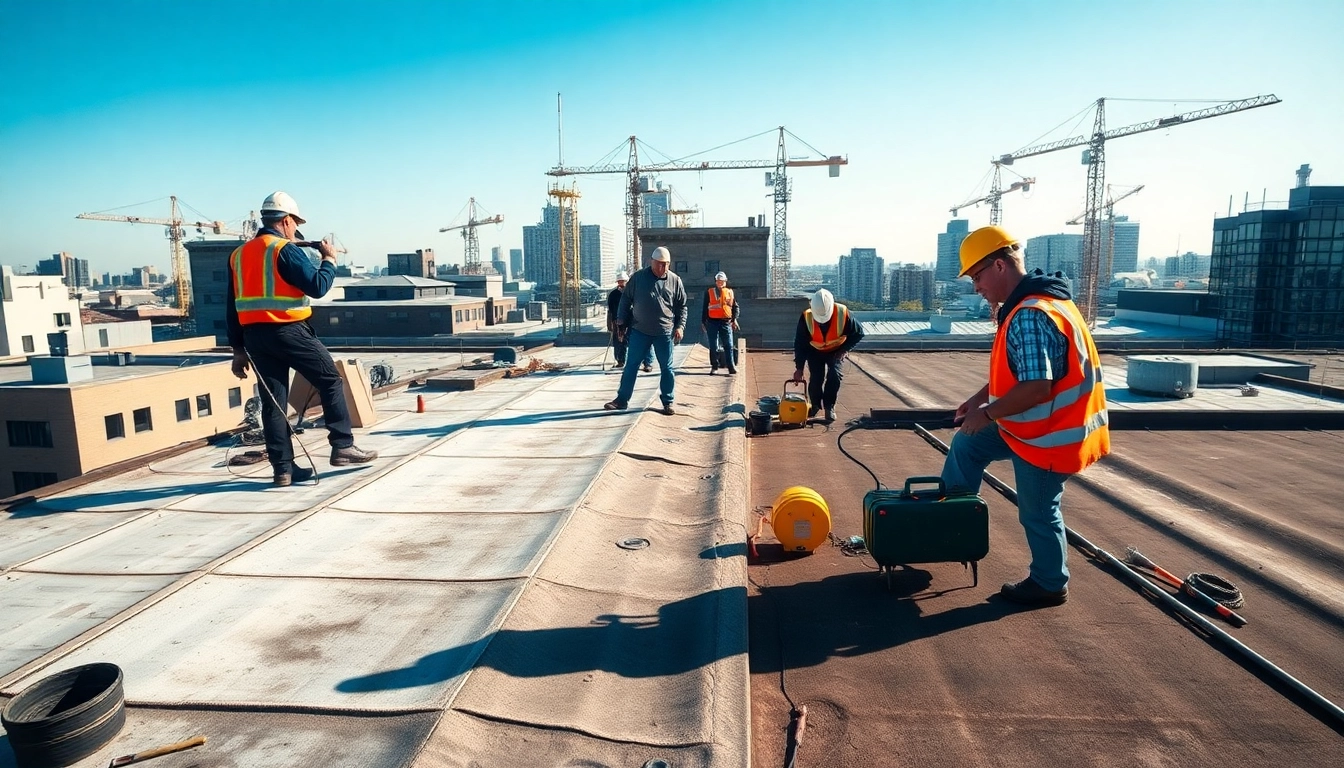
Commercial roofing services refer to specialized roofing solutions tailored for business premises. Unlike residential roofing, which focuses more on aesthetics and less on functionality, commercial roofing is designed to accommodate larger structures, diverse materials, and specific industry requirements. These services can include installation, maintenance, repair, and replacement of various roofing systems such as flat roofs, sloped roofs, metal roofs, and more.
Key Benefits of Professional Roofing
Choosing professional roofing services comes with a myriad of benefits for businesses. Among these, we can highlight:
- Durability: Commercial roofs are engineered to withstand wear and tear from weather and usage, ensuring a long lifespan.
- Expert Installation: Professional roofing teams bring expertise that guarantees proper installation based on all safety measures and local code regulations.
- Cost Savings: Regular maintenance and repairs can significantly reduce long-term costs associated with major overhauls due to neglect.
- Increased Property Value: A well-maintained roof enhances the overall appeal and market value of a property.
Common Misconceptions About Commercial Roofing
Despite its importance, several misconceptions cloud the understanding of commercial roofing services:
- It’s Not Necessary Until It’s Leaking: Many business owners wait until substantial damage occurs before considering roofing services; however, proactive maintenance is essential.
- All Roofing Materials Are the Same: Different materials suit varying climates, business types, and budgets.
- Maintenance Is Overrated: Regular inspections and maintenance prevent minor issues from escalating into costly repairs.
Types of Commercial Roofing Services Available
The commercial roofing market offers an array of services, and understanding your options is crucial to making an informed decision. Here’s an overview of the leading types.
Flat Roofing Solutions and Their Features
Flat roofing systems are a popular choice for commercial buildings due to their versatility and low maintenance. Materials often used include:
- TPO (Thermoplastic Olefin): Known for its energy efficiency and UV resistance, TPO is a great option for businesses focusing on sustainability.
- EPDM (Ethylene Propylene Diene Terpolymer): This rubber roofing is highly durable and known for its weather resistance, making it suitable for various climates.
- Built-Up Roofing (BUR): This classic option involves multiple layers of tar and gravel for robustness and durability, ideal for large rooftops.
Metal Roofing Options for Businesses
Metal roofing is becoming increasingly popular in the commercial sector due to its longevity and modern aesthetics. Options include:
- Standing Seam Metal Roofs: These roofs consist of vertical panels that offer superior protection against water damage and are highly energy-efficient.
- Corrugated Metal Roofs: Known for their stiffness and structural integrity, corrugated roofs are often less expensive, making them a cost-effective choice.
- Steel and Aluminum Roofing: Both materials provide different benefits in terms of durability, style, and cost.
Advanced Material Choices for Commercial Buildings
Beyond traditional materials, some innovative options are increasingly gaining traction:
- Green Roofs: These involve layers of living vegetation, providing natural insulation and reducing stormwater runoff.
- Solar Panels: Integrating solar technology into the roofing design can enhance energy efficiency and reduce utility costs.
- Cool Roofs: Coated with reflective materials, cool roofs help lower building temperatures, thus reducing air conditioning costs.
Choosing the Right Commercial Roofing Services Provider
Once you understand the types available, the next essential step is selecting a reliable provider. Here are critical factors to consider.
What to Look for in a Roofing Contractor
Finding the right contractor is paramount to ensuring quality service. Key attributes to evaluate include:
- Experience and Expertise: Look for contractors with a proven record in handling commercial roofing projects.
- Licensing and Insurance: Verify that the contractor is licensed to operate in your area and carries insurance that protects both them and your business from liabilities.
- Local Reputation: Research reviews and testimonials to gauge the contractor’s reliability and quality of service.
Questions to Ask Before Hiring
Preparing a list of questions can help clarify expectations. Consider asking:
- What types of roofing materials do you recommend for my business?
- Can you provide references or examples of past work?
- What warranties do you offer on both materials and labor?
Assessing Credentials and Reputation
Research is essential in the hiring process. Investigate the following:
- Industry Affiliations: Membership in professional organizations can indicate credibility.
- Certifications: Many manufacturers offer certifications that signify advanced knowledge of their products.
- Insurance Coverage: Good contractors should have general liability and workers' compensation insurance.
Maintaining Your Commercial Roof for Longevity
Once you’ve secured a top-notch roof for your commercial property, maintenance becomes vital. With the right practices, you can prolong your roof’s lifespan and performance.
Regular Inspections and Maintenance Practices
Routine inspections can help detect potential issues before they escalate into significant problems. Best practices include:
- Quarterly Inspections: Schedule check-ups every 3 months to assess any wear and tear.
- Cleaning Gutters and Drains: Ensure proper drainage to prevent flooding and water damage.
- Document Findings: Keeping records of inspections can help track the lifespan and condition of your roof.
Signs Your Roof Needs Immediate Attention
Being proactive can save a business from costly repairs down the line. Watch for these red flags:
- Water Stains on Ceilings or Walls: Indicates leaks that may require urgent attention.
- Visible Damage: Cracks, dents, or rust spots on a roof can signal the need for repairs.
- Pooled Water: Stagnant water can lead to structural damage, requiring immediate action.
Cost-Effective Maintenance Tips for Business Owners
Implementing regular maintenance can significantly reduce long-term costs. Here are some budget-friendly strategies:
- DIY Inspections: Train staff to perform basic inspections and report issues early.
- Schedule Off-Season Maintenance: Avoid peak seasons for repairs, which can often save on labor costs.
- Invest in Quality Materials: Selecting higher-quality materials initially can reduce maintenance frequency and costs.
Future Trends in Commercial Roofing Services
The commercial roofing industry is continually evolving, influenced by new technologies, sustainability trends, and environmental factors. Understanding these trends can help business owners make smarter future decisions.
Innovative Materials and Technologies
Recent advancements in roofing technologies bring exciting opportunities:
- Self-Healing Roofs: Emerging materials can automatically repair small tears and damage.
- Integrated Smart Technologies: Roof systems that monitor performance and report issues through IoT can enhance efficiency.
- Hybrid Roof Systems: Combining multiple materials to optimize performance and aesthetics is becoming more common.
Sustainable Roofing Practices
As businesses strive for sustainability, roofs are becoming more eco-friendly:
- Recyclable Materials: Utilizing biodegradable or recyclable roofing materials can significantly reduce environmental impact.
- Energy-Efficient Designs: Incorporating cool roof systems can help mitigate heat island effects in urban areas.
- Rainwater Harvesting: Systems allowing the rooftop to collect and reuse rainwater help in sustainability efforts.
Adapting to Climate Changes in Roofing Design
Climate change is prompting adjustments in roofing design to cope with increasing weather extremes:
- Enhanced Insulation: Better insulating materials are being utilized to cope with fluctuating temperatures.
- Wind-Resistant Structures: Adaptations for high wind areas help reduce roof failure risks during storms.
- Climate-Specific Materials: New materials tailored to resist localized weather conditions are now popular.