Understanding Garage Floor Coatings
Garage floor coatings are essential for transforming a bare concrete floor into a durable and aesthetically pleasing surface. These coatings not only enhance the appearance of your garage but also provide significant protection against wear and tear. In recent years, the popularity of Garage Floor Coatings has surged, thanks to advancements in technology and a greater emphasis on incorporating eco-friendly materials.
What are Garage Floor Coatings?
Garage floor coatings are specialized protective layers applied over concrete surfaces. They typically consist of epoxy, polyaspartic, or polyurea formulations that create a robust barrier against chemical spills, stains, and abrasions. These coatings can be customized to suit aesthetic preferences with various colors and finishes, making them a popular choice for residential and commercial garages alike.
Types of Garage Floor Coatings
- Epoxy Coatings: Known for their durability and glossy finish, epoxy coatings are a common choice for many homeowners. They consist of a resin and hardener that, once mixed, create a strong bond with the concrete surface.
- Polyaspartic Coatings: These coatings offer faster curing times and superior UV resistance, making them ideal for spaces with significant sunlight exposure. They are also less likely to yellow over time.
- Polyurea Coatings: Extremely versatile, polyurea coatings cure rapidly and offer excellent flexibility and chemical resistance. They are suitable for various applications, including garage floors.
Benefits of Using Garage Floor Coatings
Utilizing garage floor coatings offers numerous benefits that extend beyond aesthetics. They provide:
- Durability: These coatings can withstand heavy foot traffic and the weight of vehicles, significantly prolonging the lifespan of your garage floor.
- Easy Maintenance: Coated floors are easier to clean and maintain, requiring only a regular sweep and mop to keep them looking new.
- Enhanced Safety: Many coatings can be designed to be slip-resistant, providing added safety in wet conditions.
- Environmentally Friendly Options: Many modern coatings utilize VOC-free materials, making them a safer choice for your home and the environment.
Choosing the Right Garage Floor Coating
Selecting the perfect garage floor coating can be daunting, given the variety of options available. However, understanding your specific needs and circumstances can simplify the process.
Factors to Consider When Selecting Coatings
- Usage: Consider how much traffic your garage will experience. A heavy-duty coating may be necessary for garages that frequently hold vehicles and tools.
- Climate: The climate can influence coating performance. Areas with high humidity or extreme temperatures may benefit from specific formulations.
- Aesthetic Preference: Determine your desired look. The available color palettes and finishes can help complement your home’s style.
Comparison of Popular Garage Floor Coatings
When comparing different coating types, it’s essential to weigh their strengths and weaknesses:
Coating TypeDurabilityCuring TimeUV ResistanceCostEpoxyHigh24-48 hoursModerate$$PolyasparticVery High1-2 hoursHigh$$$PolyureaVery High1-2 hoursHigh$$$
How to Determine Your Needs
Assessing your requirements involves asking key questions:
- What is the primary use of your garage — storage, workspace, or parking?
- Are you concerned about spills from chemicals or automotive fluids?
- Do you have a preferred color or finish that matches your home decor?
Installation Process for Garage Floor Coatings
The success of your garage floor coating depends significantly on proper installation. Understanding the steps involved can facilitate a smoother process.
Preparation for Installation
Before applying any coating, the garage floor must be adequately prepared. This preparation includes:
- Cleaning the surface thoroughly to remove grease, oil, and dirt.
- Repairing any cracks or damage in the concrete.
- Grinding or etching the concrete surface to ensure proper adhesion of the coating.
Step-by-Step Application Guide
- Mix the coating components according to the manufacturer’s instructions.
- Apply a primer if recommended, and allow it to cure.
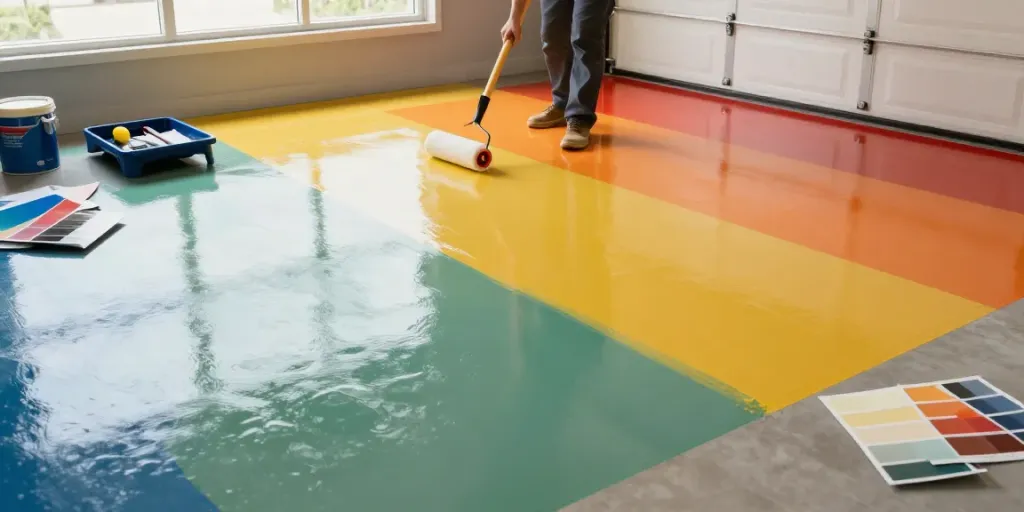
- Using a roller, apply the coating evenly across the surface.
- Utilize a squeegee for areas that require thicker application.
- Allow the coating to cure as per the specified time, usually 24-48 hours.
Common Mistakes to Avoid
To achieve the best results, avoid the following pitfalls:
- Skipping the preparation phase, which can lead to poor adhesion.
- Applying the coating in unfavorable weather conditions, such as high humidity or extreme temperatures.
- Neglecting to follow manufacturer instructions for mixing and application.
Maintenance and Care for Garage Floor Coatings
Once your garage floor is coated, maintaining its appearance and functionality is crucial. Regular care can significantly extend the life of the coating.
Best Practices for Maintaining Durability
- Regularly sweep and mop the floor to prevent dirt and debris buildup.
- Promptly clean spills to avoid staining and damage.
- Avoid using harsh chemicals that may degrade the coating over time.
Cleaning and Upkeep Tips
To keep your garage floor looking its best:
- Use a gentle pH-neutral cleaner for regular cleaning.
- For tough stains, use a soft scrub brush and a mild detergent.
- Consider applying a floor wax for added protection and shine every few months.
When to Reapply or Restore
Signs that your garage floor coating may need reapplication or restoration include:
- Visible wear and tear or peeling in high-traffic areas.
- Loss of gloss and color fading.
- Increased difficulty in cleaning and maintaining the surface.
Future Trends in Garage Floor Coatings
The garage flooring market continues to evolve, with new trends indicating significant improvements and innovations on the horizon.
Emerging Technologies in Coating Materials
Future coatings may incorporate nanotechnology to enhance durability and create even more environmentally friendly formulations. This could lead to coatings that are not only tougher but also quicker to apply and cure, revolutionizing the installation process.
Environmental Considerations in Coatings
As eco-friendliness becomes a priority, manufacturers are increasingly utilizing biobased materials and low-VOC formulations. These innovations reduce environmental impact while still providing high-performance results.
Predictions for the Garage Flooring Market in 2026
By 2026, the garage flooring market is expected to see a rise in the adoption of smart coatings that can monitor wear or alert homeowners when maintenance is needed. Additionally, customization options will likely expand, allowing for more personal expression in garage aesthetics.
Frequently Asked Questions
To assist those considering a garage floor coating, here are answers to common questions:
What is the best coating to put on a garage floor?
Epoxy is often considered the best option due to its durability and resistance to stains. However, polyaspartic and polyurea coatings also present strong alternatives, especially in environments exposed to UV light.
What is the downside of epoxy flooring on concrete?
One of the drawbacks of epoxy flooring is its sensitivity to temperature during application. It requires specific conditions for optimal curing and may yellow over time if exposed to direct sunlight.
Is coating a garage floor worth it?
Yes, coating a garage floor is a worthwhile investment. It enhances the aesthetic appeal, provides superior protection against damage, and can increase the overall value of your home.