
Understanding Chef's Knives
What is a Chef’s Knife?
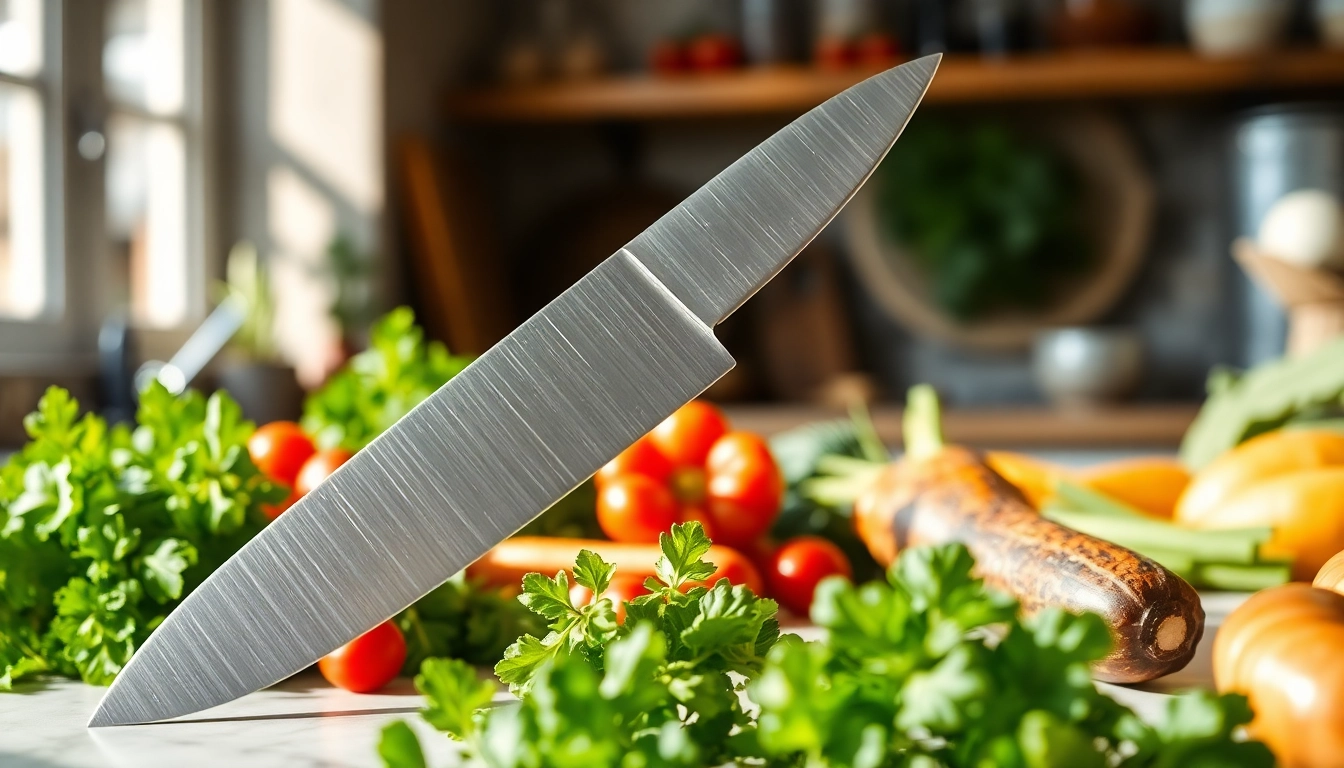
A chef's knife is an essential kitchen tool, known for its versatility. Typically featuring a broad blade that tapers to a point, it is designed for a variety of tasks, including chopping, slicing, dicing, and mincing. With a blade length ranging from 6 to 12 inches, the chef's knife serves as the workhorse of every kitchen, capable of tackling both large and small food items effectively. Understanding its structure and capability is crucial for both novice and experienced home cooks.
Types of Chef's Knives
While the traditional chef's knife is the most recognized, different varieties cater to specific culinary tasks:
- French Chef's Knife: The classic style with a curved blade that allows for a rocking motion.
- German Chef's Knife: Known for its weight and sturdiness, this knife excels in tasks requiring force.
- Santoku Knife: A Japanese style featuring a shorter blade and a flat tip, ideal for precision cutting.
- Gyuto: Another Japanese variant, combining issues from the French and the Santoku, versatile in cutting across various food types.
Key Features of Chef’s Knives
Understanding the key features of chef's knives can dramatically influence your choice. Important elements to consider include blade material, handle design, weight, and balance. Each of these features affects performance and comfort during use.
How to Choose a Chef's Knife
Blade Material Considerations
The blade material significantly impacts the performance of a chef's knife. The most common materials include:
- Stainless Steel: Resistant to rust and corrosion, this is a popular choice for beginners due to its durability.
- High-Carbon Steel: Known for excellent edge retention and sharpness, but can require more maintenance due to susceptibility to rust.
- Ceramic: Lightweight and easy to maintain, ceramic blades are less common and spectacular for specific tasks but fragile.
When choosing a knife, consider how the material aligns with your cooking style and maintenance preferences.
Size and Weight Factors
The size and weight of a chef's knife should complement your cooking methodology. A heavier knife might provide additional force for chopping through dense ingredients, while a lighter knife could facilitate precision and intricate work. Knives typically range from 6 to 12 inches; your choice should depend on what you are comfortable handling for various cooking tasks.
Handle Comfort and Grip
Choosing the right handle is vital for safety and usability. Handle materials vary—including plastic, wood, and composites—with each offering a different feel and level of grip comfort. Pay attention to the style of grip you use; some prefer a pinch grip for precision, while others might opt for a more traditional grip. A knife that feels comfortable will allow for more precise control and lesser fatigue during use.
Common Mistakes to Avoid
Choosing Based on Price Alone
It's a common misconception that the priciest knife is the best. While higher-end knives offer excellent quality, there are many affordable options that deliver great performance. Always prioritize comfort and functionality over price.
Ignoring Knife Maintenance
Many fail to recognize that knife longevity depends on consistent maintenance. Regular sharpening and proper cleaning techniques will extend the life of your chef's knife. Ignoring maintenance can result in a dull blade, leading to accidents in the kitchen.
Overly Heavy or Unbalanced Knives
While a heavier knife can aid in cutting through robust ingredients, a knife that is too heavy or unbalanced can cause strain during use. Test various knives to determine what feels right; a well-balanced knife promotes better control and ease of use.
Customizing Your Chef’s Knife Experience
Personal Grip Styles
Your grip style can influence how effectively you use the knife. Different grips such as the pinch grip allow for more control, while others might feel more natural for specific users. It's beneficial to practice using your chosen grip until it feels comfortable and intuitive.
Tailoring Blade Length to Tasks
Different cooking tasks may require variations in blade length. For intricate slicing, a shorter blade can provide more precision, whereas a longer blade could make heavy-duty tasks easier. Consider your most common recipes and choose a length accordingly.
Sharpening and Maintenance Techniques
Learning how to sharpen your knife is pivotal. Utilizing whetstones, honing rods, or professional services can keep your knife in optimal condition. Regular honing can maintain blade sharpness, while professional sharpening is advisable every few months.
FAQs About How to Choose a Chef's Knife
What should I consider when buying my first chef’s knife?
Focus on blade size and weight that feel comfortable in your hand, along with a handle that ensures good grip.
Are expensive chef’s knives worth it?
Many high-quality knives are available at various price points, but investing in a reliable knife generally enhances the cooking experience.
Is a heavier knife better?
Not necessarily; the best knife is one that feels balanced and comfortable. Heavier knives can tire your hand if used for extended periods.
How often should I sharpen my chef's knife?
The frequency of sharpening depends on usage. Charitably, every few months or when you notice dullness is a good starting point.
Can I find good chef’s knives on a budget?
Yes, there are many affordable options that still maintain quality. Rely on user reviews and testimonials when making your selection.
Understanding how to choose a chef’s knife is crucial for enhancing your culinary skills. A good knife should feel natural in your hand and adapt to your cooking style. With the right knowledge and exploration, you can select the perfect knife for your kitchen needs. For comprehensive options and products, you can explore how to choose a chef’s knife that suit your unique preferences, making your cooking experience more enjoyable.